Market Differentiation
A category, not a feature.
A measurable longevity specification turns a tower of identical floor-plans into a category-defining product. Buyers are no longer comparing finishes, they are comparing biological outcomes.
For Developers
MAVI integrates with your existing architectural, MEP, and interior teams to deliver a sourced, cited, room-by-room longevity specification. Six reasons developers build to MAVI 129.
Six Reasons
A category, not a feature.
A measurable longevity specification turns a tower of identical floor-plans into a category-defining product. Buyers are no longer comparing finishes, they are comparing biological outcomes.
A residence the body answers to.
Air, water, light, sound, temperature, and material specifications are designed in concert. Owners feel the difference in mental clarity, sleep depth, and steady energy from week one.
A premium that data justifies.
Wellness real estate commands a fifteen to twenty-five percent premium over comparable stock. That premium needs an evidence base. MAVI provides one, sourced, cited, and surveyable.
Built for the regulation that is coming.
Indoor air quality, EMF disclosure, water chemistry, and material transparency are all heading toward statutory requirement. MAVI residences exceed the standards before they exist.
A specification, not a vendor list.
MAVI integrates with your existing architectural, MEP, and interior teams. We provide the longevity specification, your team executes against it. No new operating model required.
Press, awards, and the long-tail of legacy.
A MAVI 129 residence is a publishable object. The discipline was profiled in the Financial Times House & Home in May 2026; the surface area for architecture and longevity press is wide open. The asset trades higher; the brand compounds.
The shape of the engagement
From schematic design to handover. We integrate with the team you already have, deliver a sourced specification, and audit at the milestones that matter.
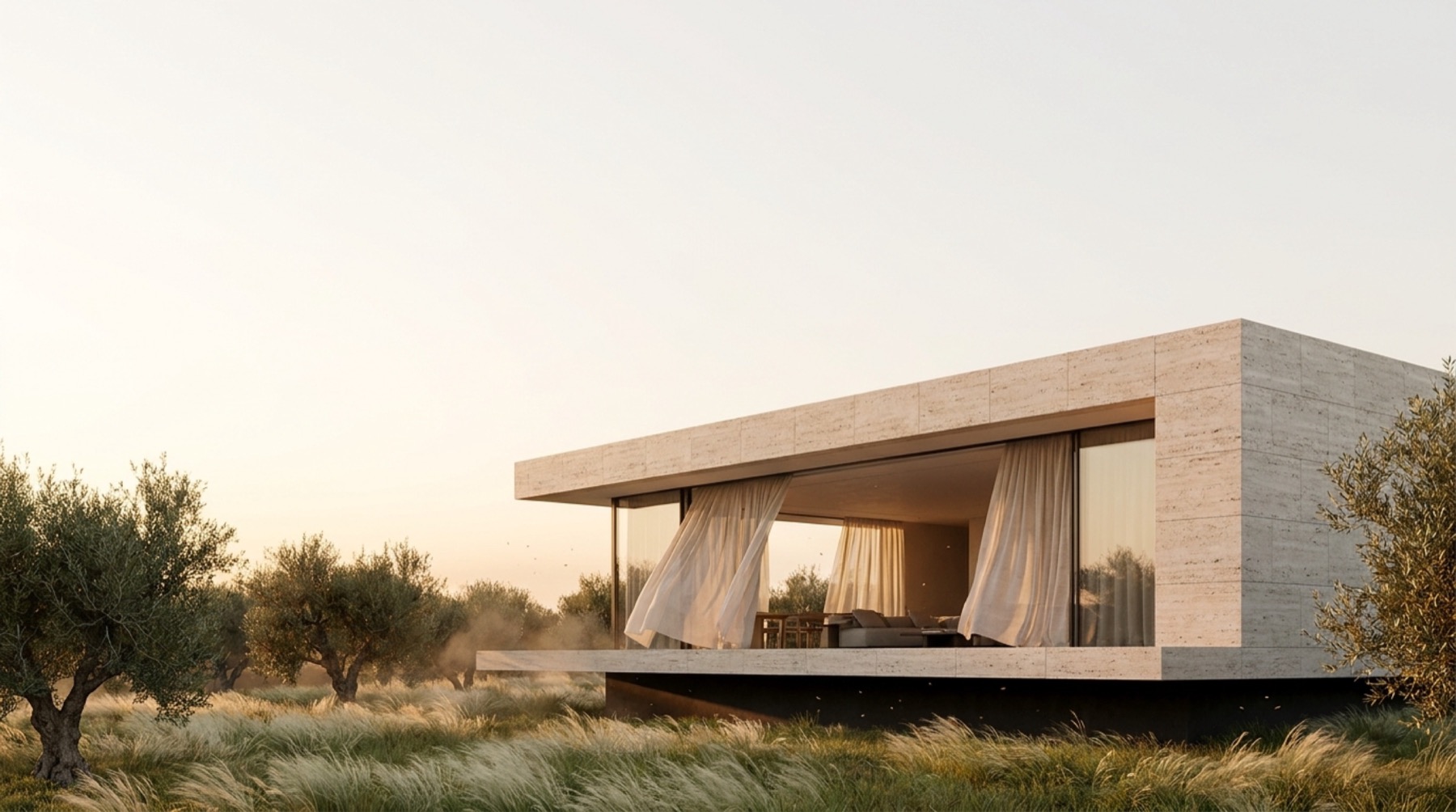
We engage at schematic design, when MEP routing, glazing performance, and material palettes are still negotiable. The highest-leverage decisions are still on the table.
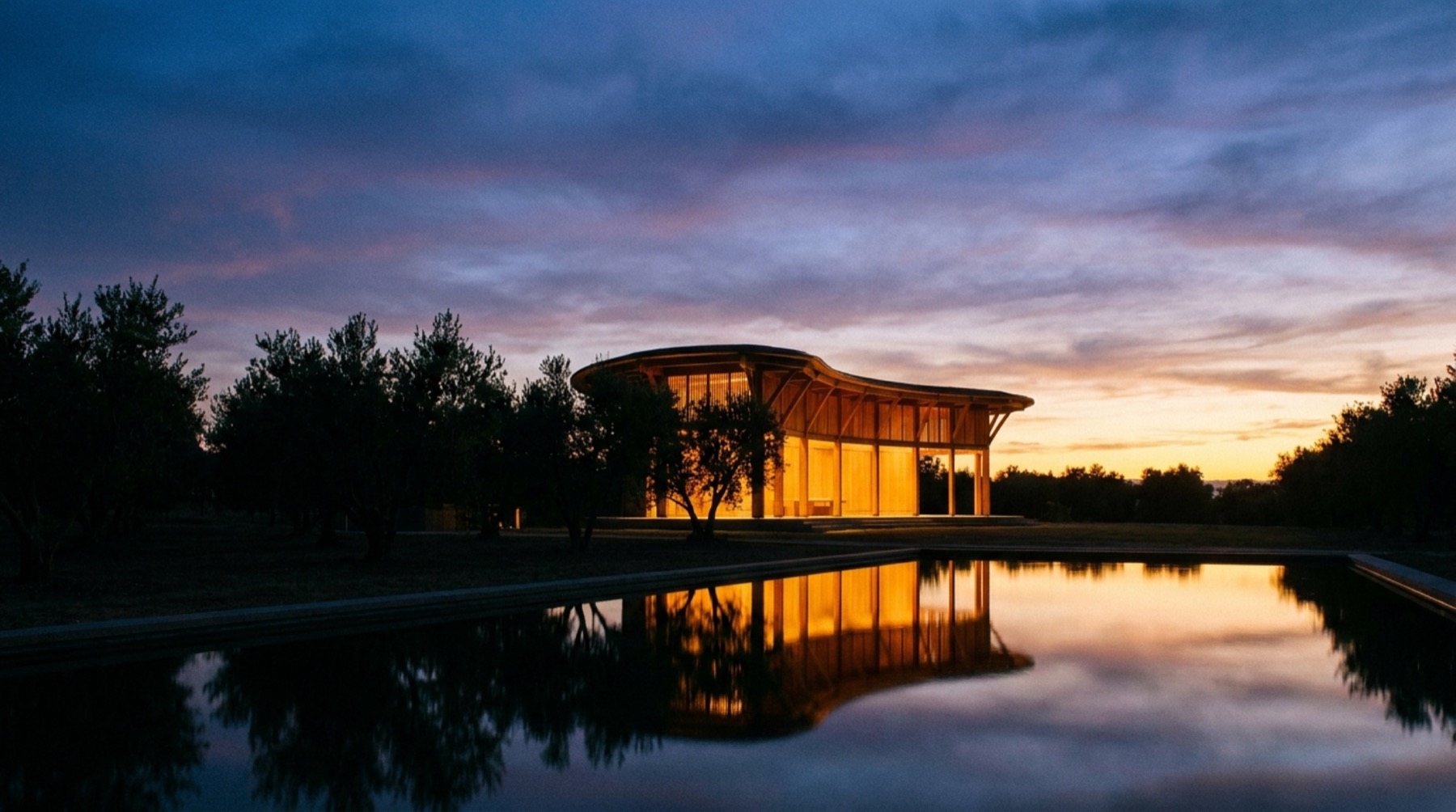
Air, light, sound, water, EMF, materials, microbiology, temperature. Every domain measured against published thresholds. No biohacker folklore, no anecdotes.
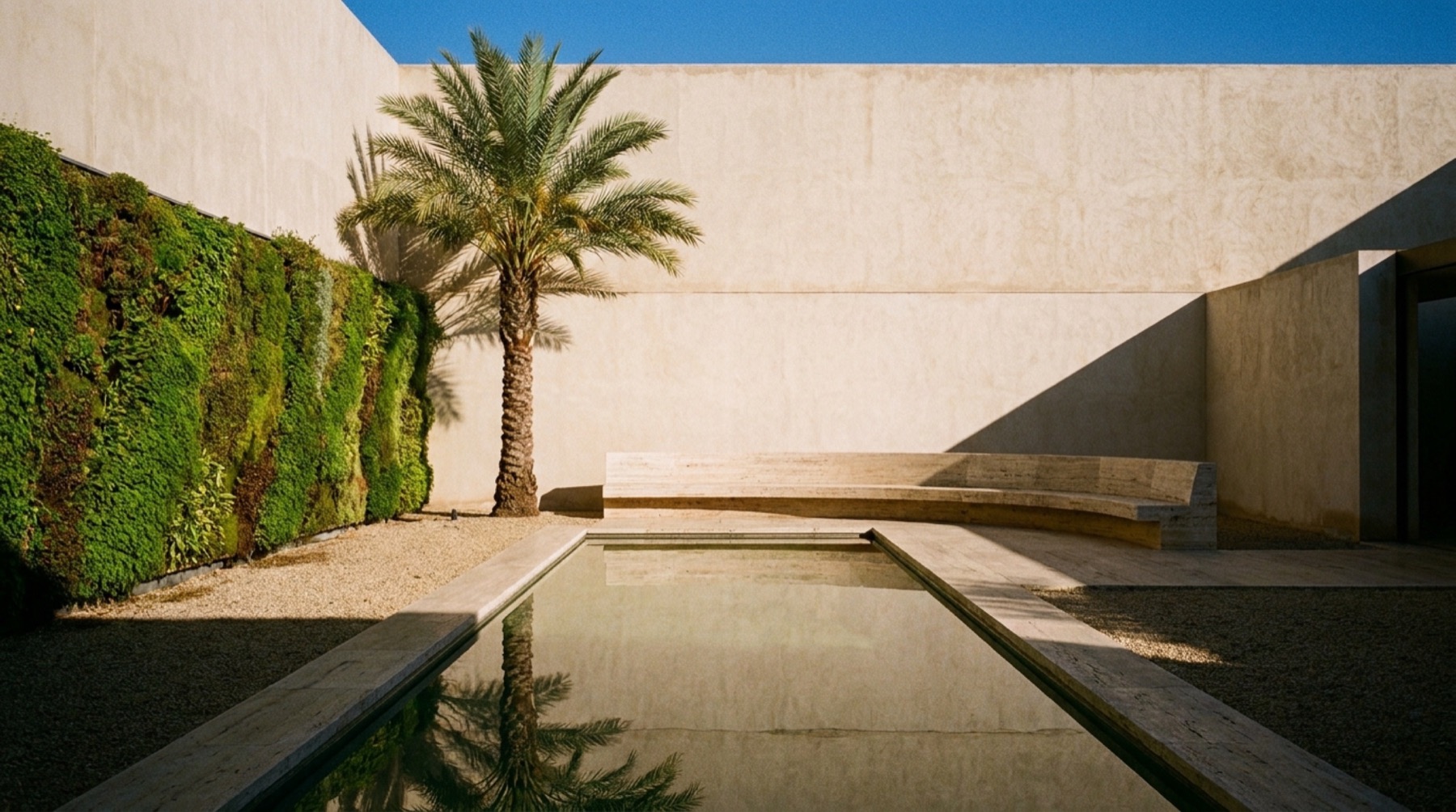
A document your architects, MEP engineers, and interior designers execute against. We sit alongside the team you already have, not on top of it.
We engage at schematic design, when MEP routing, glazing performance, and material palettes are still negotiable. The highest-leverage decisions are still on the table.
Air, light, sound, water, EMF, materials, microbiology, temperature. Every domain measured against published thresholds. No biohacker folklore, no anecdotes.
A document your architects, MEP engineers, and interior designers execute against. We sit alongside the team you already have, not on top of it.
How it works
A two-week intake. We review your scheme, the regional environmental baseline, and the buyer profile. Output: a longevity-readiness assessment of the existing design.
The longevity specification document. Room-by-room, system-by-system, citation-by-citation. Issued to your architectural and MEP teams as an addendum to the architect's package.
Three construction-milestone audits, at structure, at first fix, at completion. We verify the specification is executed; deviations are surfaced and corrected before the next phase locks in.
Each residence ships with a Blueprint, a sourced, cited, room-by-room document detailing the longevity specification and its supporting research. The buyer reads it. Press follows.
Questions
We provide the longevity specification, your architects, MEP engineers, and interior designers execute against it. MAVI sits alongside the project, not on top of it. We deliver a complete specification document, attend the key design reviews, and audit construction milestones. The team you already have stays the team.
Earliest is best. The highest-leverage decisions are made in schematic design, when MEP routing, glazing performance, and material palettes are still flexible. We can also retrofit a longevity specification at later stages, but the cost-to-benefit ratio is best in pre-DD.
Each MAVI residence ships with a Blueprint, a sourced, cited, room-by-room document detailing the longevity specification and its supporting research. Buyers read it, share it with their architects and longevity doctors, and use it as a reference document long after move-in. Press follows.
Typically two to six percent of construction cost, depending on the regional baseline and how much of the specification is already met by your existing standards. The pricing premium achieved at sale exceeds the construction premium by a wide margin.
Become a Partner
We work with a small number of developers each year to ensure the depth of attention each project deserves. Tell us about the residence and where it sits in your timeline.